

Description
Slasher
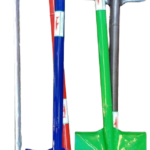
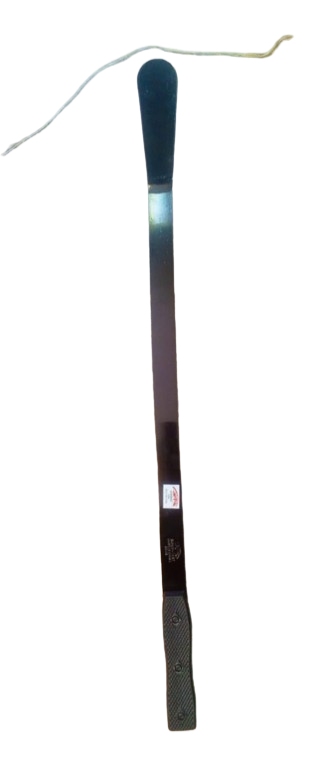
A slasher is a powerful cutting implement used to cut and clear vegetation, such as grass, weeds, bushes, scrub and crop residue.
There are two main types people mean when they talk about “slashers”:
-
Hand-held slasher tool: A simple manual cutting tool with a long handle and a sharp blade, used for clearing grass and light scrub by hand.
-
Mechanized/tractor-mounted slasher: A rotary cutting implement attached to tractors or machinery that uses rotating blades to quickly cut grass, weeds and light bush over larger areas.
🔑 Key Features of a Slasher (General)
Sharp Cutting Blades
-
Designed to cut grass, weeds, brush and low vegetation efficiently.
-
Blades may be fixed or swinging and can be reversible for longer life.
Long Handle or Mounting Frame
-
Hand tool version: Long handle gives leverage and reach for clearing by hand.
-
Tractor version: Sturdy frame that connects to the three-point hitch or other mounting points of the tractor.
Rotary Action (Motorized Models)
-
Mechanized slashers use a rotating blade system powered by a tractor’s PTO or hydraulic system to cut vegetation evenly across wide swaths.
Adjustable Cutting Height
-
Many mechanized models let you set the cutting height so you can control how close to the ground you cut.
Wide Cutting Width
-
Tractor slashers usually have a wide cutting width so large areas are cleared with fewer passes.
Durable Construction
-
Built from tough steel or hardened materials to withstand kicking up stones or cutting through thicker vegetation.
More Features by Slasher Type
Hand-held Slasher Tool
-
Simple and low-cost — no fuel or power source needed.
-
Best for small areas, gardens or manual clearing.
-
Comfortable handle and sharp blade let you cut and clear light vegetation by hand.
Tractor/Mechanized Slasher
-
Fast and efficient for large fields, pastures, roadside vegetation and farms.
-
Often includes safety features like shear bolts or guards to protect the equipment when hitting obstacles.
-
Reduces labor and time compared with manual clearing.
Typical Uses
-
Clearing grass, weeds and brush in fields and pastures.
-
Field preparation after harvesting.
-
Roadside vegetation and land maintenance.
-
Preparing land for planting or grazing.

 File Set
Reviews
There are no reviews yet.